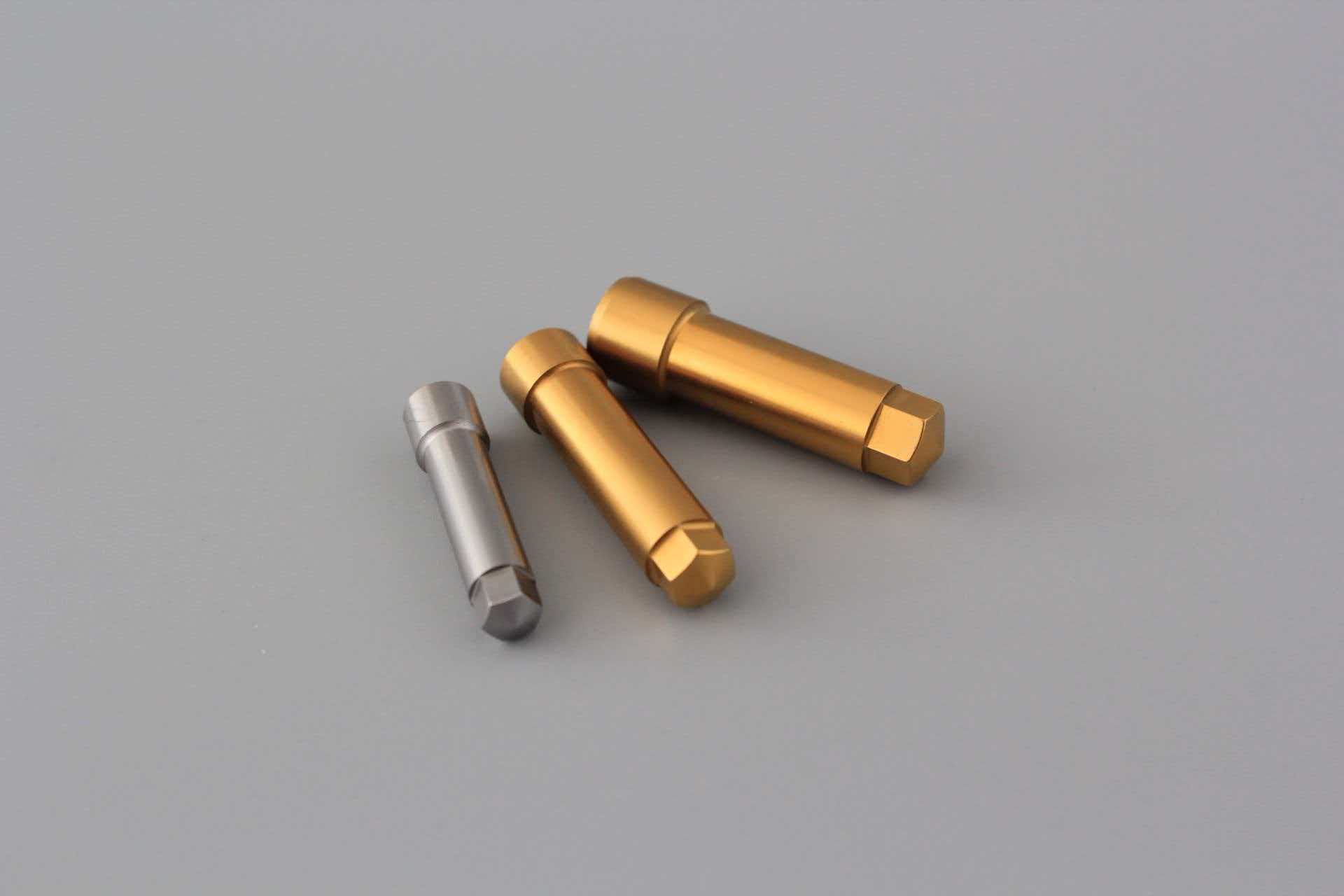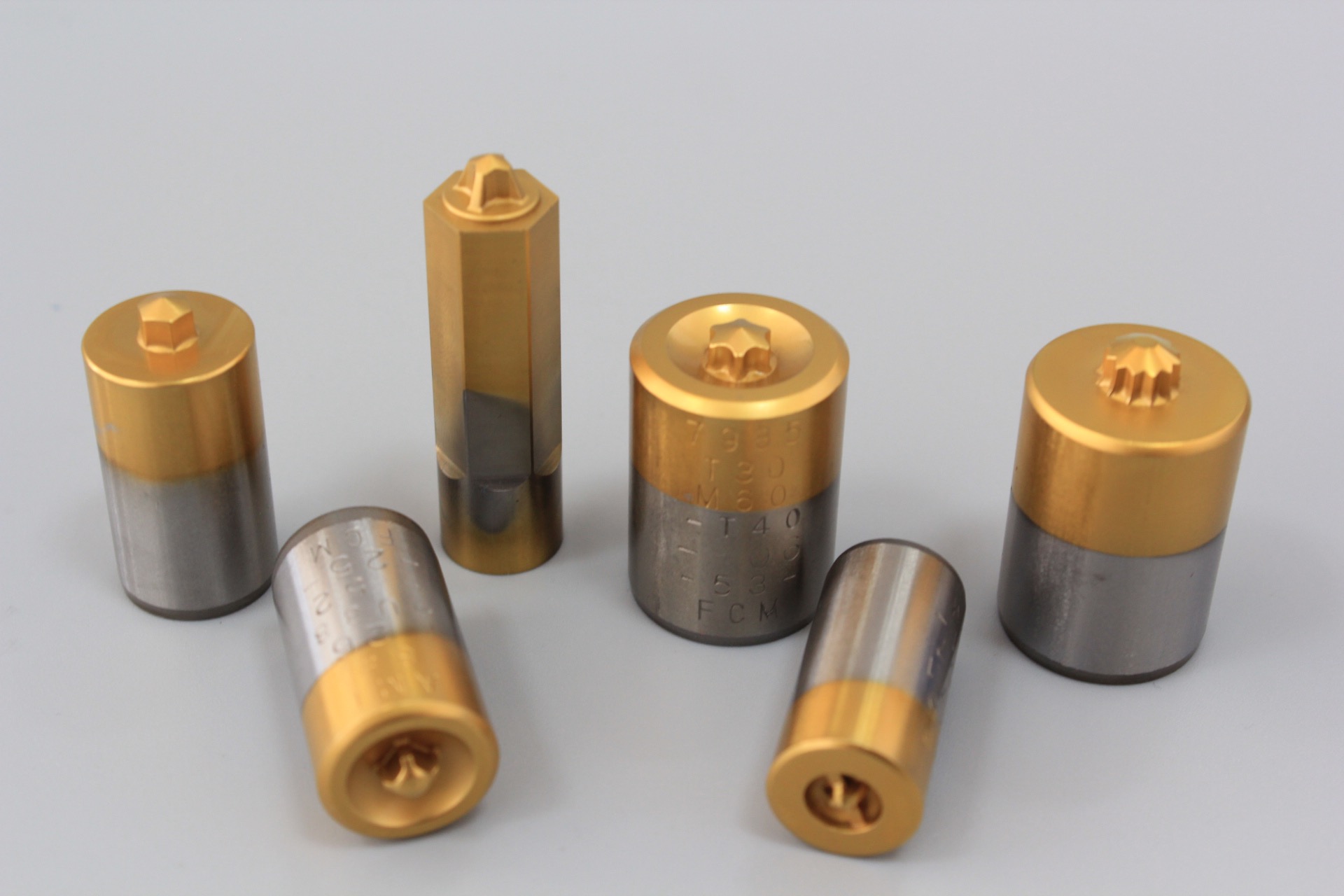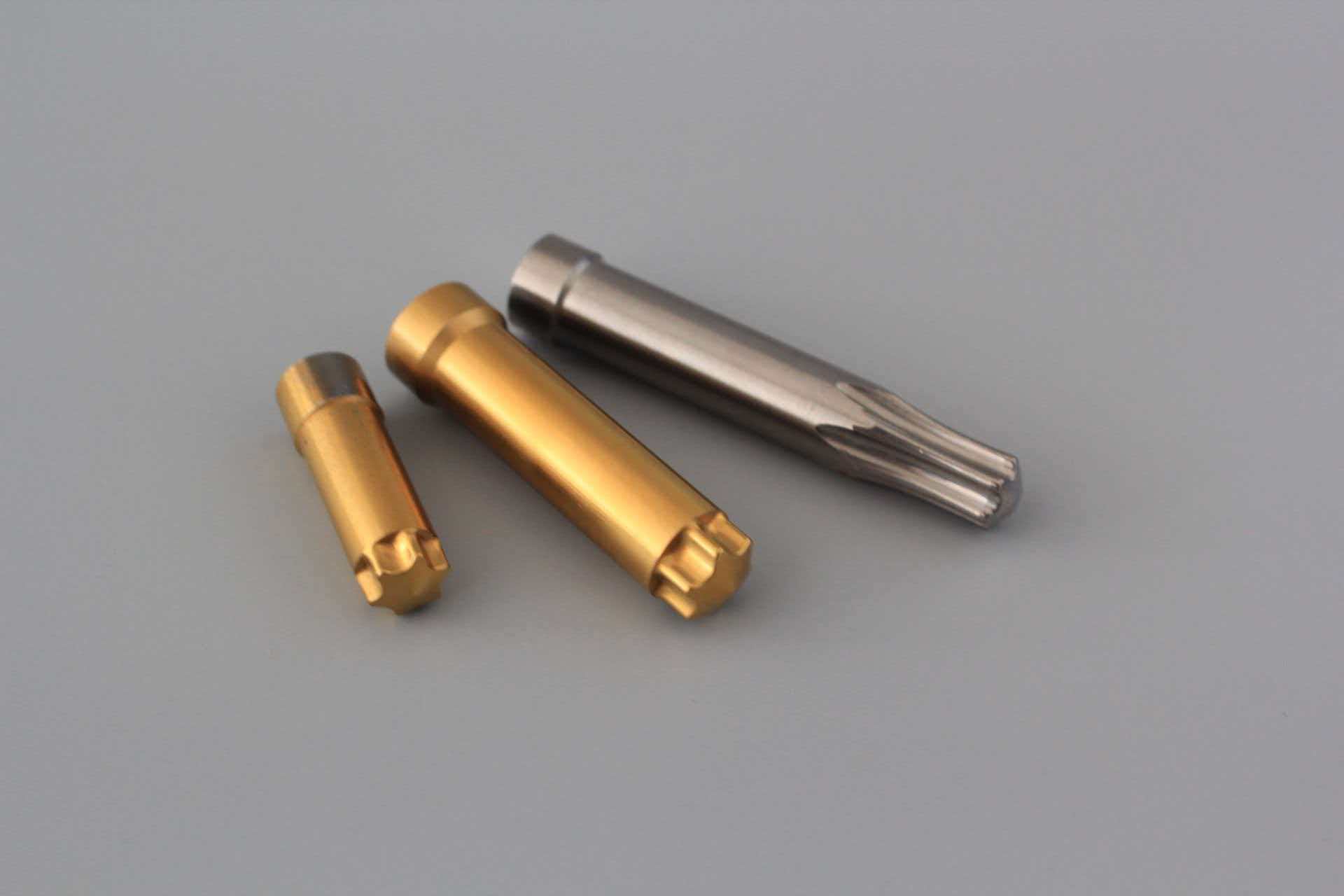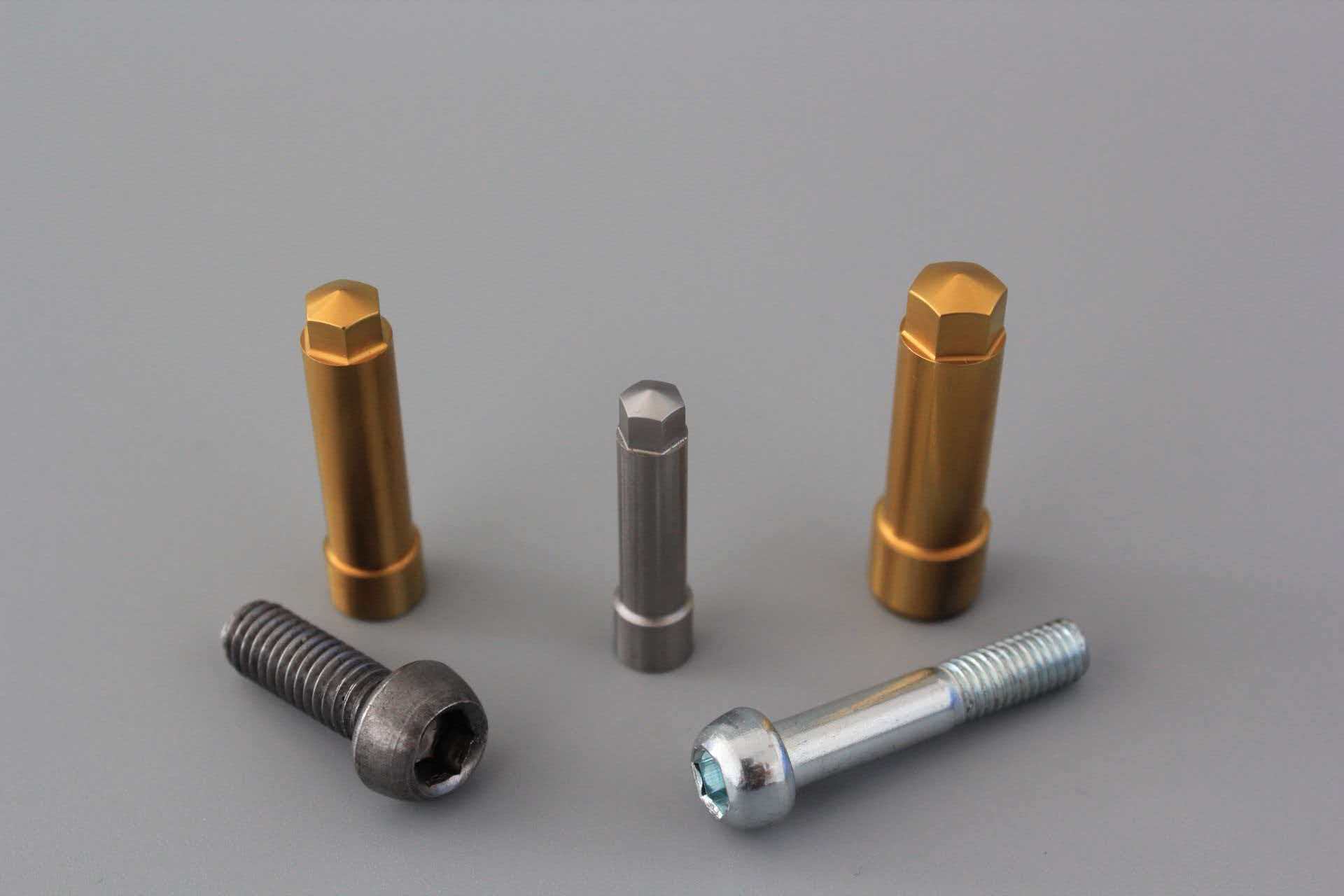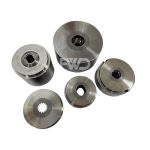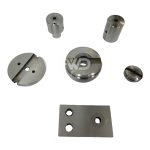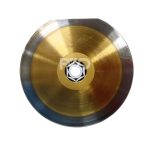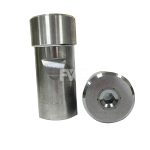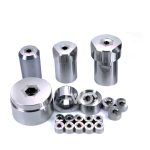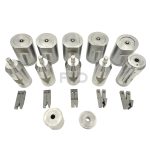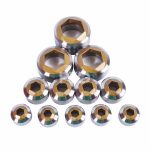
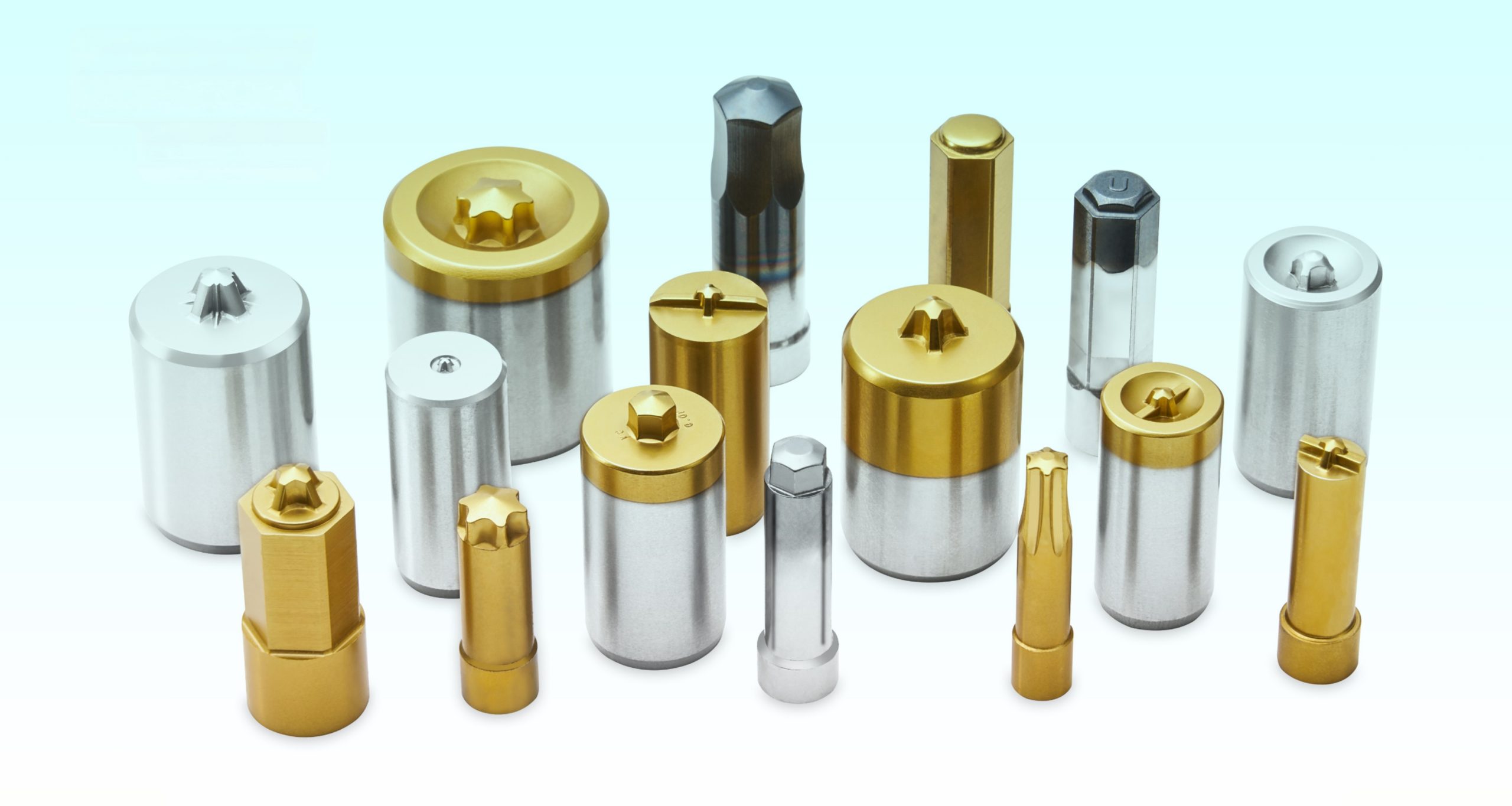
The Screw Header Punch is a high-precision tooling component designed for cold heading machines to form screw heads accurately and consistently. It is widely used in fastener manufacturing for producing a variety of screw types with different head shapes and dimensions.

Made from high-quality tool steel or tungsten carbide, this screw header punch offers excellent wear resistance, high impact strength, and stable performance in high-speed production environments. Precision machining and advanced heat treatment ensure long service life and reduced downtime.

This product is suitable for both standard and custom screw head designs, including Phillips, Torx, hex, and special profiles. Customization is available based on customer drawings or samples to meet specific production requirements.
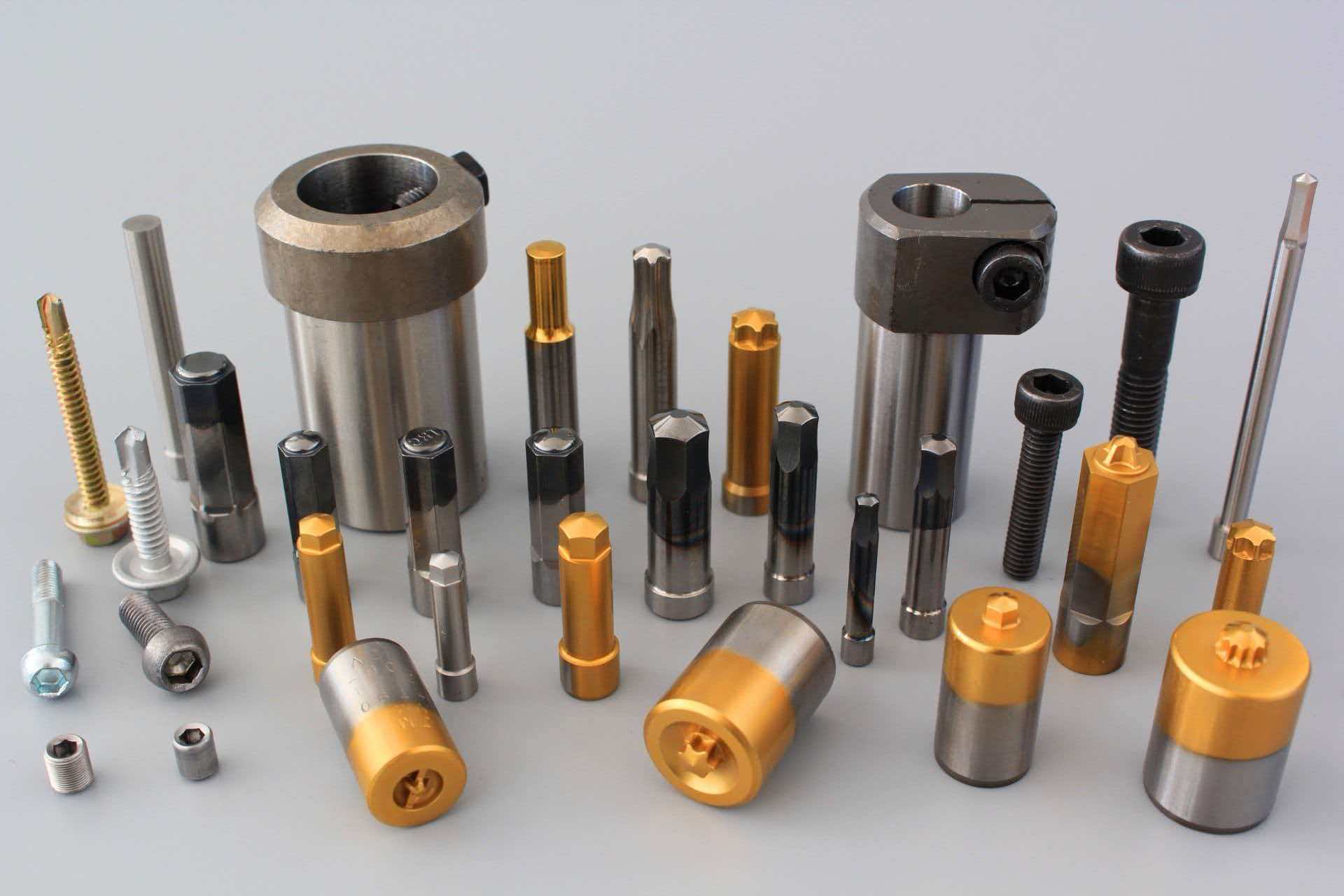
Screw Header Punch

DescriptionKey FeaturesApplications
A screw header punch is a forming tool used in cold heading machines to shape the head of a screw or bolt.

In simple terms

It’s the male punch that presses into the metal wire during cold heading to form the screw head shape.

What it does

Forms the head profile (pan head, hex head, flat head, etc.)

Controls head dimensions and surface finish

Works together with the heading die (female die)

Typical materials

High-speed steel (HSS)

Tungsten carbide (for high-volume or hard materials)

With surface coatings like TiN, TiAlN, or DLC to reduce wear

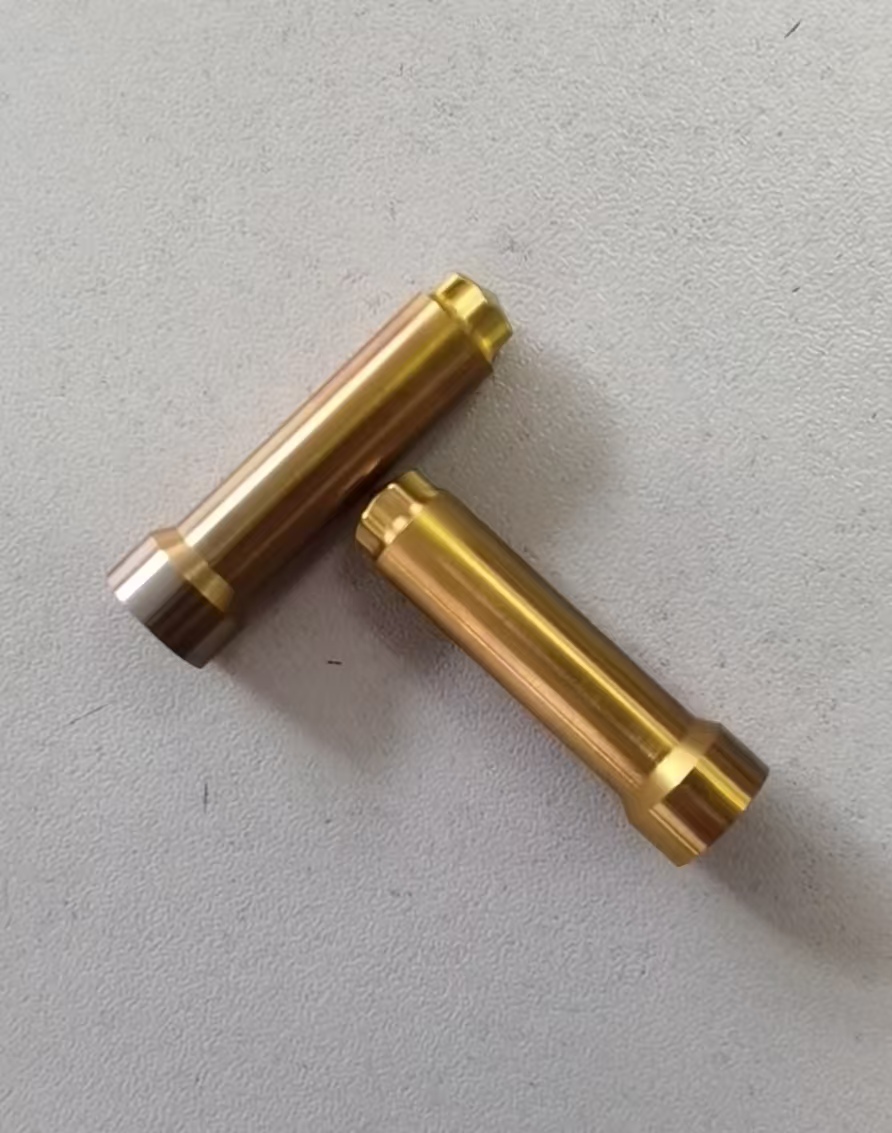
1. Precision screw header punch for cold heading applications

2. Compatible with high-speed cold heading machines

3. High wear resistance and long tool life

4. Stable performance for mass production

5. Custom sizes and head profiles available

1. Screw and fastener cold heading process

2. Automotive, construction, electronics, and industrial fastener manufacturing

FAQ of Screw Header Punch

FAQ of Screw Header Punch
What is a Screw Header Punch?
A Screw Header Punch is a forming punch used in cold heading machines to shape the head of screws, bolts, or similar fasteners by plastic deformation.
What is the main function of a Header Punch?
Its primary function is to form the head geometry, ensuring correct dimensions, shape accuracy, and surface quality.
What is the difference between a Header Punch and a Heading Die?
The Header Punch is the male (moving) tool, while the Heading Die is the female (fixed) tool; both work together to form the screw head.
What types of Screw Header Punches are commonly used?
First punch (pre-forming / upsetting)

Second punch (final head forming)

Combination punch (head forming + recess)

Recess punch (Phillips, Hex socket, Torx, etc.)

What materials are used for Header Punches?
Common materials include High Speed Steel (HSS) and Tungsten Carbide, depending on production volume and workpiece material.
Why do Header Punches wear or fail?
Typical causes include excessive material hardness, poor lubrication, misalignment, improper heat treatment, or incorrect punch design.
Are surface coatings required for Header Punches?
Surface coatings such as TiN or TiAlN are recommended to improve wear resistance, reduce friction, and extend tool life.
What is the typical service life of a Header Punch?
Tool life varies widely based on material, fastener size, forming load, and coating, ranging from tens of thousands to over one million pieces.
Can Screw Header Punches be customized?
Yes. Header punches are normally customized according to fastener drawings, head design, forming process, and cold heading machine model.
Is a Header Punch related to thread rolling dies?
No. The Header Punch is used for head forming, while thread rolling dies are used in a separate process to form threads.

Order Process

1. Provide samples/blueprint
2. Product evaluation
3. Estimated quotation
4. Customer confirmation
5. Process drawing
6. Mold drawing
7. Mold production
8. Customer mold test
9. Feedback finalization